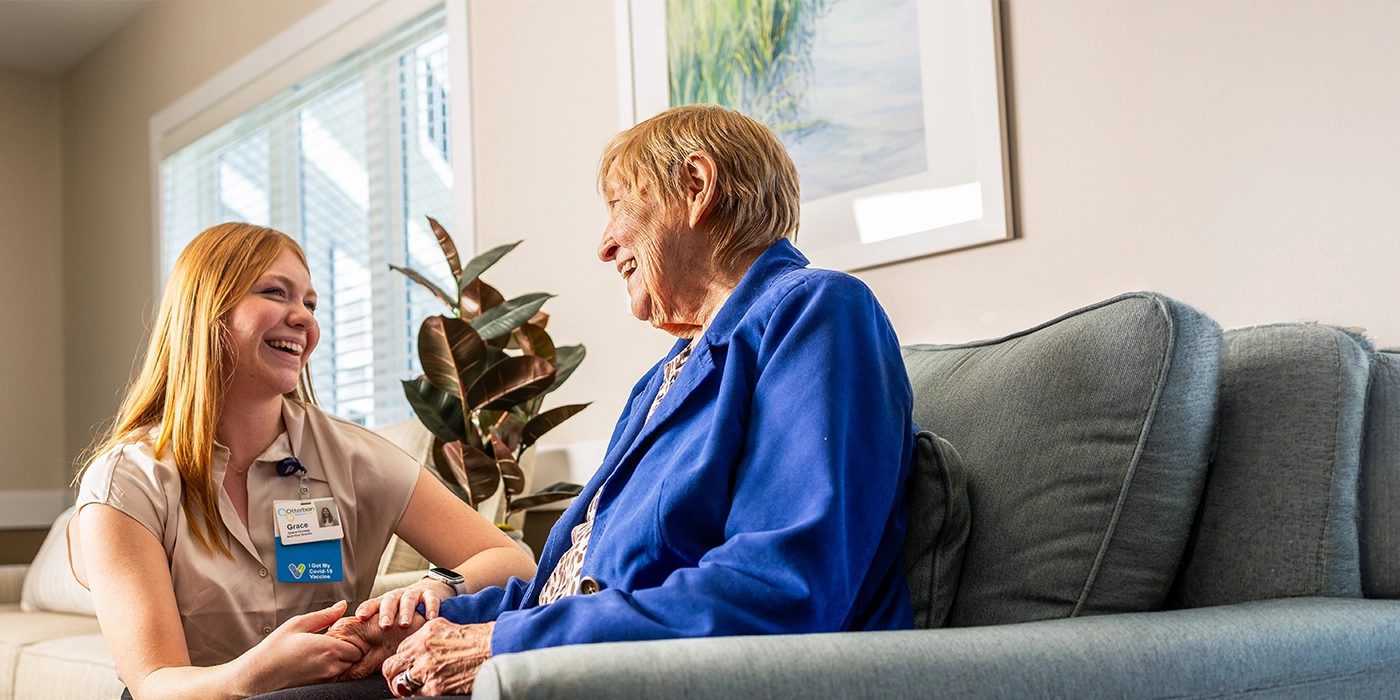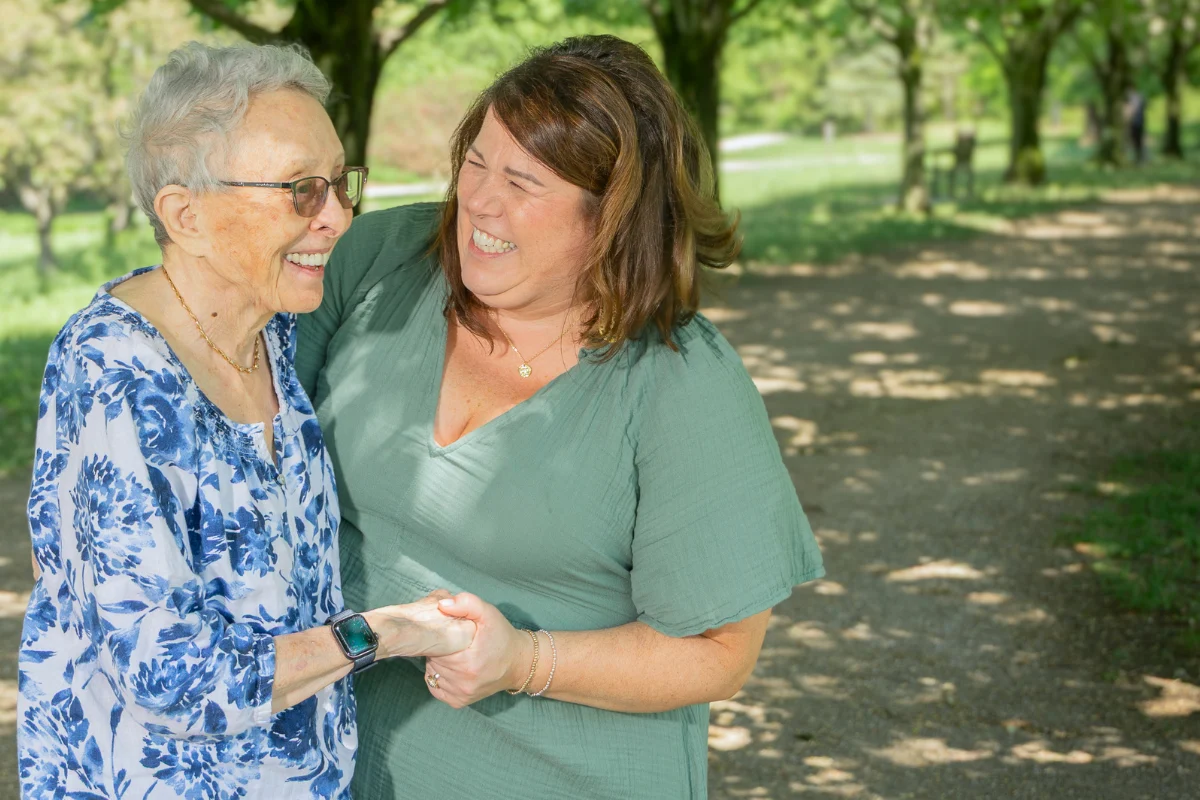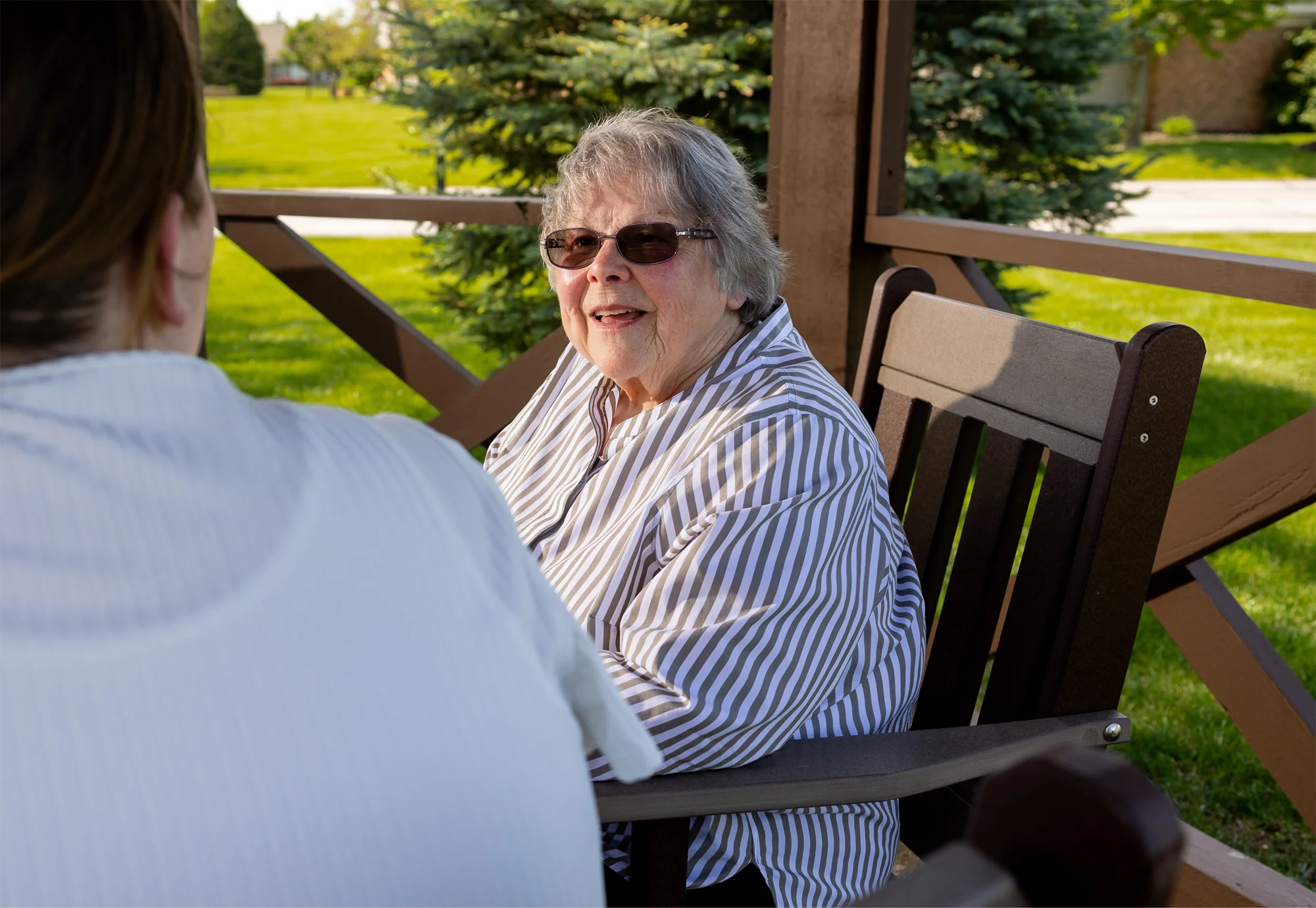
Moving into a new home is usually exciting, but it can sometimes prove emotionally challenging. The process involves abandoning parts of your past — and leaving a place where you made countless memories. Moving to an assisted living community can be exceptionally tricky because it means acknowledging that we’re getting older and might need assistance with certain daily activities. Follow these seven tips to make the transition easier.
Helpful Ways to Transition to Assisted Living
At Otterbein, we’ve seen new assisted living residents struggle in the early days following their move. However, there are ways to ease a loved one’s transition to assisted living, and we’ve compiled tips to help make someone’s new place feel like home.
1. Start By Being Positive
Whenever a friend or family member is transitioning to assisted living, you can make a big difference by demonstrating a positive and supportive attitude throughout the process.
Something as simple as referring to the person’s new place as “home” can prove uplifting. Whether you’re helping pack belongings or assisting with the physical move, just being a positive role model during the relocation can make the transition easier.
2. Help Choose the Right Layout
Having an apartment floor plan that suits a resident’s personality and needs is critical to ensuring a comfortable move.
For example, a roomy kitchen, open layout, and large gathering area are perfect for those who enjoy entertaining. Others might prioritize having a spacious bedroom, a large bathroom, or ample storage. Whatever a person’s preferences, the right floor plan is key to feeling satisfied and happy in a new home.
3. Offer Some Storage Space
Moving to an assisted living community can mean less storage space. Downsizing can be emotional when it involves leaving cherished belongings behind. There might not be room to keep items such as holiday decorations, seasonal clothes, and knick-knacks.
If you have extra space at home, you could help by storing some of your loved one’s possessions. Knowing that favorite objects are secure can make the moving process less unsettling.
4. Bring Items From a Former Home
Decorating and furnishing the new space with familiar items can make the transition to the new apartment smoother. Beloved artwork, books, awards, and photo albums help quickly turn a space into a home. Bringing a favorite chair or other furniture pieces also helps to create a welcoming household atmosphere.
5. Housewarming Party

At Otterbein, we encourage families and friends to visit every few days or so during their loved one’s initial adjustment period. Hosting a housewarming party can go a long way toward making someone feel at home in an assisted living environment.
Surrounded by familiar faces, your loved one will find comfort and joy as they begin a new chapter in life.
Check out these fun activities to do with your loved one in assisted living >>
6. Set Up Videoconferencing
Video calls using Zoom and FaceTime are excellent ways for assisted living residents to stay in touch with loved ones. The apps provide audio and visual access to family and friends via computer, smartphone, or tablet. Videoconferencing allows you to check in on your loved one when you can’t be there in person.
7. Encourage Participation in Social Programs
Moving involves not only changing locations but also leaving neighbors and close-knit communities. At Otterbein, we know that social programming helps create a sense of community in a new home. Engaging in group activities helps a new resident meet other residents, make new friends, and discover all the amenities that Otterbein offers.
Read more about the activities and amenities offered at Otterbein SeniorLife >>
Growing accustomed to a new home takes time. When individuals move to assisted living, there is an understandable adjustment period. With a little planning, you can help your loved one make a smooth transition.
What’s the Difference Between Assisted and Independent Living?
Download our free guide to learn more about the differences between assisted living and independent living — and see which is right for you or a loved one.
This blog was updated in February 2026.