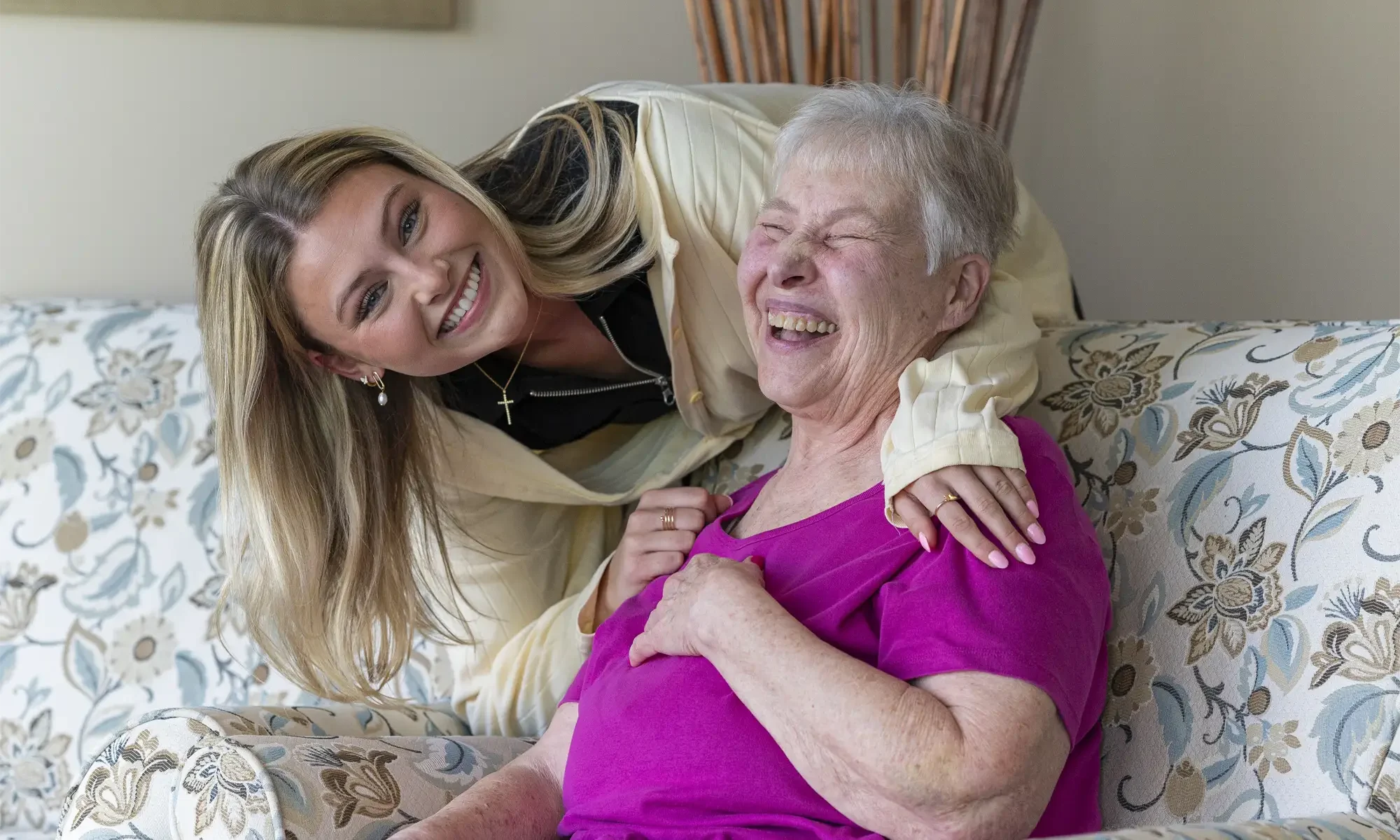
Caregiving for a loved one is an emotional journey that can be both challenging and fulfilling. Caregivers often juggle multiple responsibilities in addition to their loved one’s needs, such as working, raising a family, and trying to care for themselves.
Sometimes it can feel overwhelming if you’re in the midst of your caregiving journey. For those moments, we’ve created a list of three simple questions you can ask yourself to take a step back and reassess the situation.
Question 1: What can I do right now?

Caregiving can feel like an onslaught of chores all at once, such as getting breakfast for your loved one, walking the dog, getting ready for work, and dropping off the car for an appointment.
You can feel more in control of the situation when you take a broader look at what needs to be accomplished and pick one task you can do right now. You can then decide which things need to happen next and in what order.
Focus on tasks you can complete in a short amount of time that will chip away at your to-do list – quick wins. If it helps, you can create a list of to-dos, freeing your brain up for other thoughts and providing the satisfaction of checking off tasks.
Question 2: What can I shift to someone else?
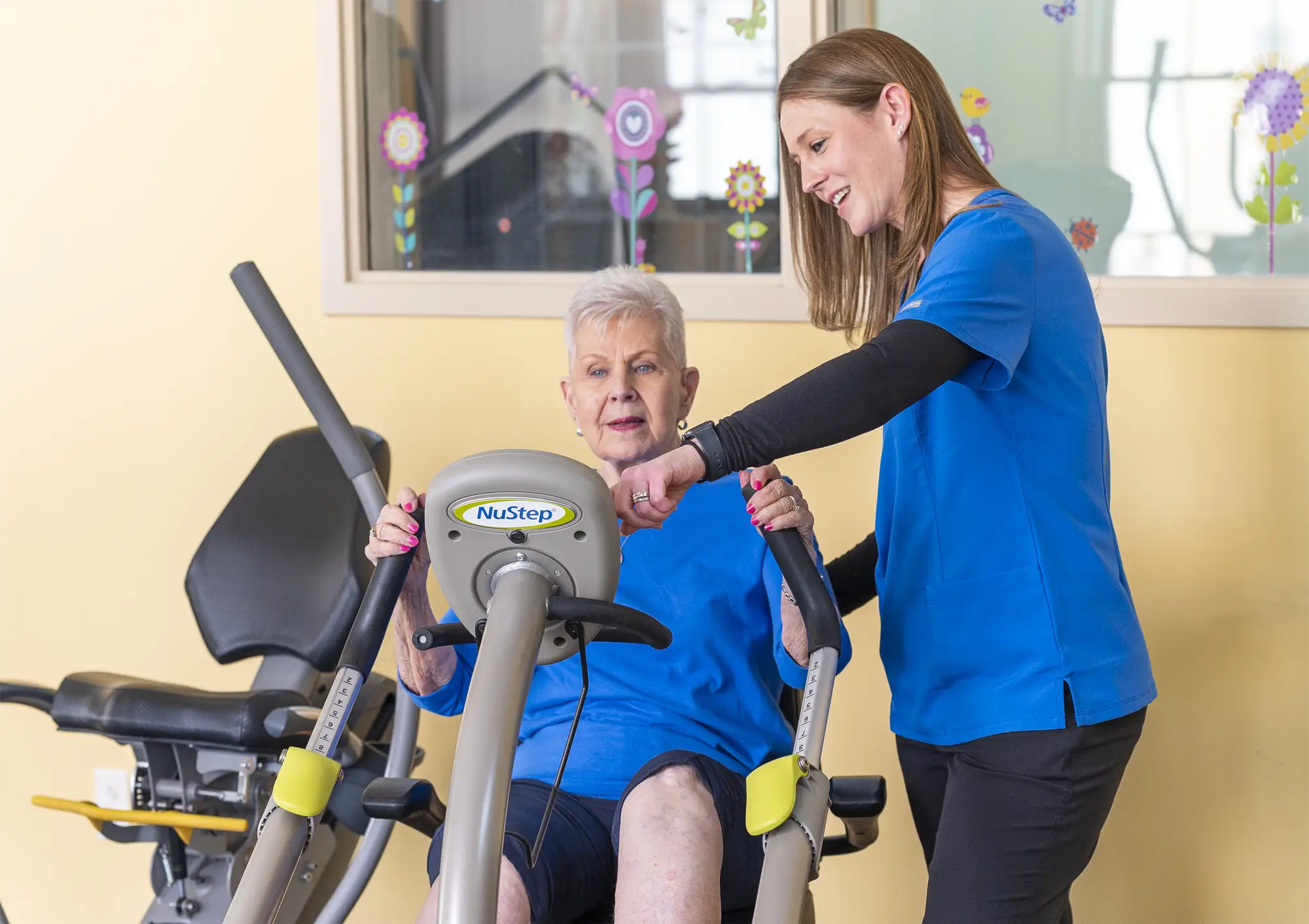
Some caregivers feel that they need to personally do everything when it comes to caregiving, but that kind of thinking can place too much burden on you.
Don’t be afraid to ask for assistance when you need it. Help can come in a variety of ways, from friends and family offering to take your loved one to an appointment to professional help such as respite care or adult day services.
Collecting a list of resources you can turn to when you need a helping hand may be useful. This could include:
- Friends, family, and neighbors who are willing to help with tasks around the house
- Professional services like those mentioned above
- Local caregiver support groups or resources in your area
While it’s sometimes difficult to ask for support, doing so can actually empower you to get more done, feel more confident about the care you’re providing, and reduce your stress.
Question 3: How am I feeling?

You may spend so much time focused on your loved one’s needs that you don’t think about your own.
Take a quick break to assess how you’re doing physically and mentally. Are you feeling tired? Stressed? Hungry? Upset? Dive into your feelings in more depth and think of ways you can address that need for yourself.
It’s natural for your thoughts to run more toward your loved one than yourself and your time. Yet it’s also important for you to take care of yourself so you can be a better caregiver.
The Mayo Clinic suggests several ways to practice self-care as a caregiver, including:
- Setting realistic goals for yourself around caregiving
- Setting goals for your personal health, including getting enough sleep, drinking water, and eating nutritious meals
- Seeking social support from friends and family who understand your situation
When it’s Time for More Help
Sometimes, you reach a point where it’s no longer feasible or advisable to continue caring for your loved one on your own. The next step may be some type of supportive care at a senior living community. Many of our Otterbein SeniorLife locations offer care to meet the needs of aging adults, including assisted living, respite care, memory care and support, long-term care, and even rehab care services. Explore our locations to find the right fit for your family.
Find Compassionate Care at Otterbein
This blog was updated in March 2026.