Falls are one of the most common — and most serious — health risks for older adults, but many falls are also preventable. Every year during Falls Prevention Awareness Week, communities and families focus on ways to help older adults stay steady, confident, and active.
Here’s a closer look at why falls matter and what you can do to reduce risk.
Why Falls Matter
As people age, changes in balance, vision, strength, or even medication side effects can increase the risk of falling. A fall can lead to injuries such as sprains, fractures, or a fear of falling again, which may limit activity and independence.
By taking proactive steps to prevent falls, older adults and their families can boost confidence, preserve mobility, and support overall quality of life.
Simple Steps to Reduce Fall Risk
Here are some practical strategies to help keep older adults active and lower fall risks:
- Stay active and strong
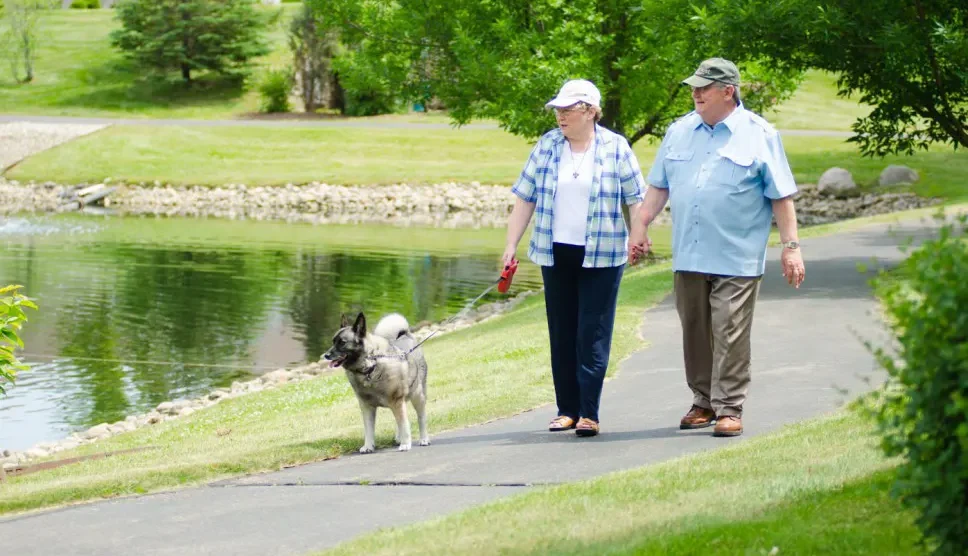
Regular physical activity can improve strength, balance, and coordination — all of which help reduce the risk of falling. Activities like walking, gentle stretching, chair exercises, and balance exercises can be effective and enjoyable. - Review medications
Some medications or combinations of medications can cause dizziness or loss of balance. Have a healthcare provider review medications periodically to watch for side effects that might increase fall risk. - Improve home accessibility
Small changes around the home can make a big difference:
- Remove loose rugs and clutter
- Secure electrical cords out of walkways
- Add grab bars in bathrooms
- Keep frequently used items within easy reach
- Check vision and hearing
Regular eye exams and proper eyewear can make everyday movement easier. Likewise, hearing issues can impact spatial awareness, so addressing hearing concerns may help reduce fall risk. - Wear appropriate footwear
Shoes with non‑slip soles and good support can help prevent slips and trips. Avoid socks or slippers without traction on smooth floors.
Staying Active
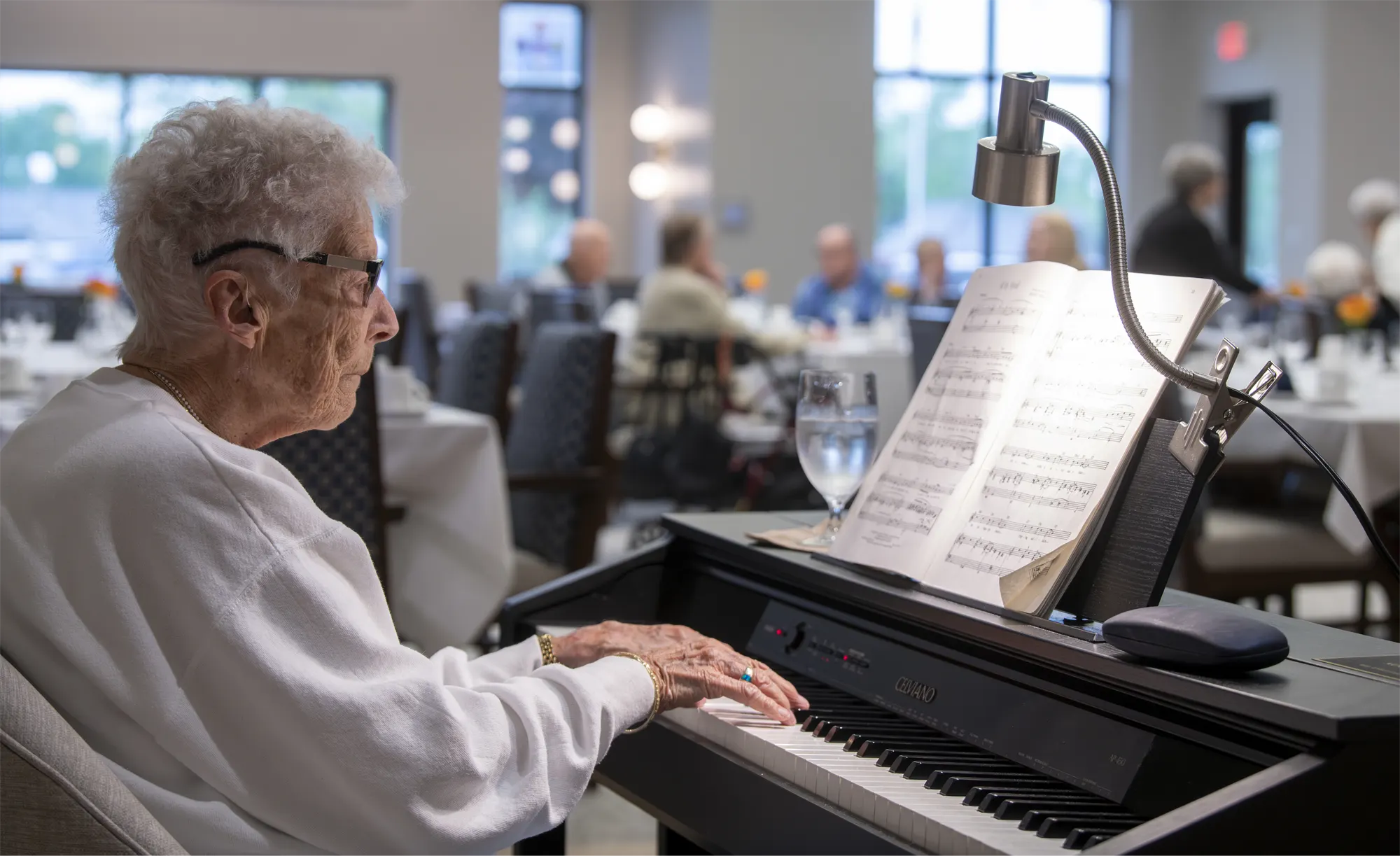
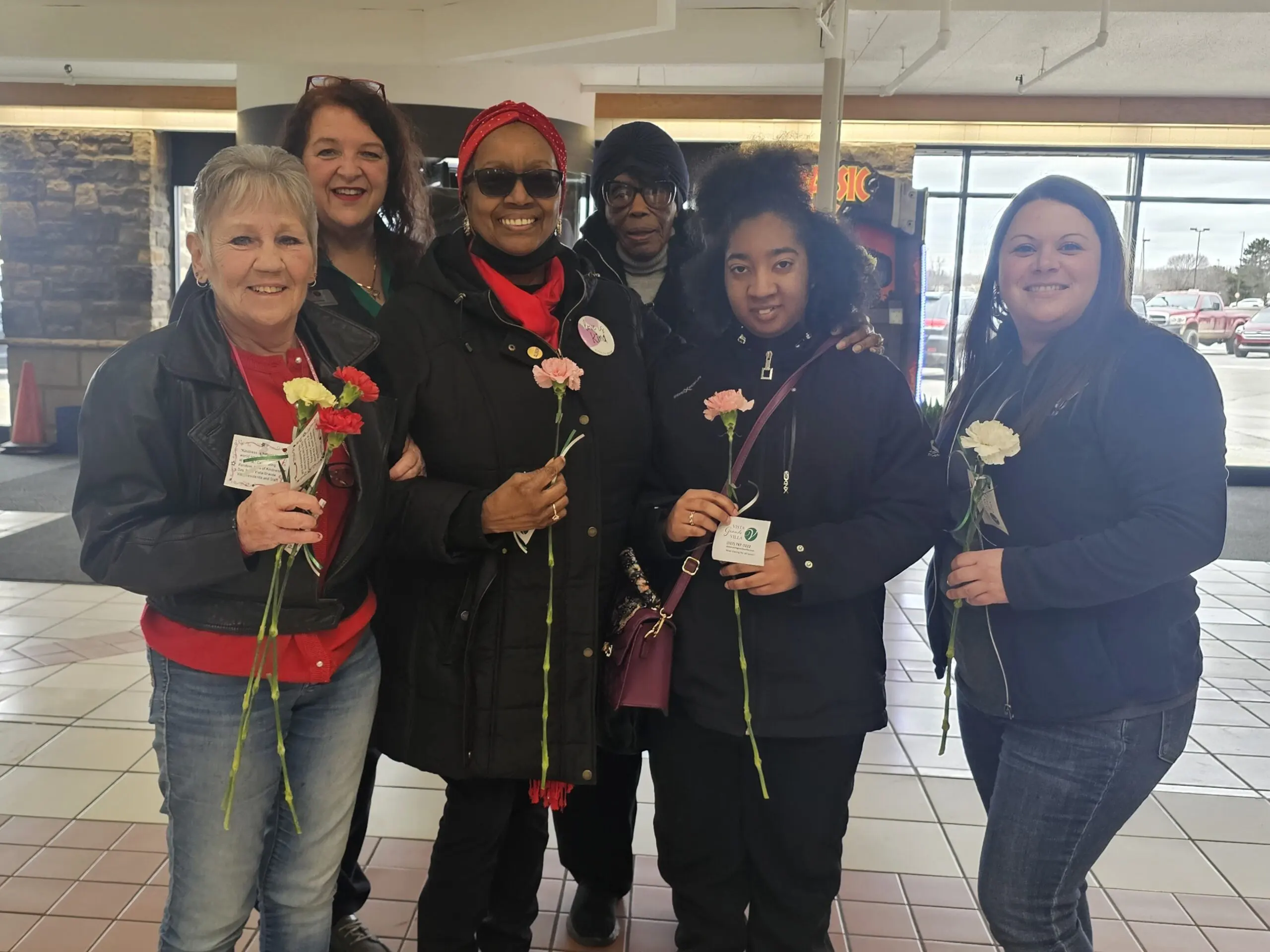
Encouraging older adults to remain physically and socially active — whether through walking, group classes, or engaging in hobbies — can help maintain strength, mood, and confidence. Being active also increases opportunities for social connection, which supports overall well‑being.
At Otterbein, residents can enjoy a variety of activities, wellness programs, group exercise classes, and social opportunities that promote movement and everyday engagement across community life.
Explore Resident Life in Otterbein SeniorLife Neighborhoods >>
When to Ask for Support
Sometimes falls or near‑falls can indicate that extra support or a change in routine might be helpful. If an older adult has experienced multiple falls, shows fear of falling, or seems unstable during movement, it may be time to talk with a healthcare provider or consider whether home supports or a supportive living environment could help promote mobility and confidence.
Otterbein’s communities offer a range of living and care options — from independent living to post-acute and rehab care — designed to help older adults remain active and live well.
Stay Active with Otterbein
Falls can often be prevented with small changes, awareness, and support. Whether you’re exploring options for yourself or a loved one, Otterbein offers resources, community life, and personalized services that help older adults stay social and engaged.