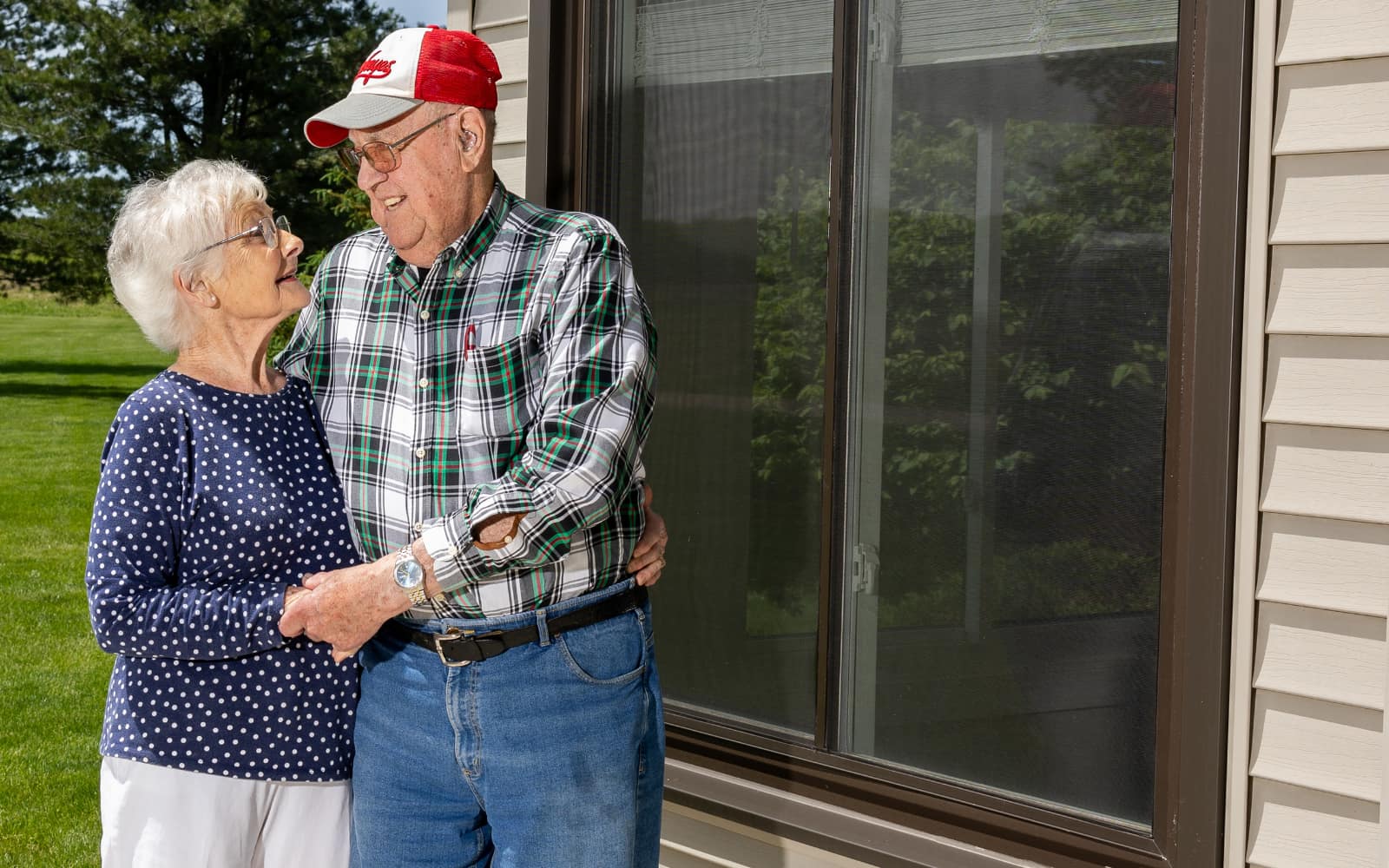
Maintaining social connections and building meaningful relationships is important. This is true for people of all ages, especially older adults who often discover that their social circles wane as work colleagues drift apart and neighbors move away. A lack of friendship in retirement can lead to feelings of loneliness, isolation, and depression.
So, how can older adults combat isolation and related health concerns in retirement? For many, moving to a senior living community offers the perfect solution. Senior living communities thrive on socialization and offer a thoughtful balance of connection, privacy, and independence. At Otterbein, older adults can explore a variety of living and care choices designed to support connection, comfort, and everyday well-being.
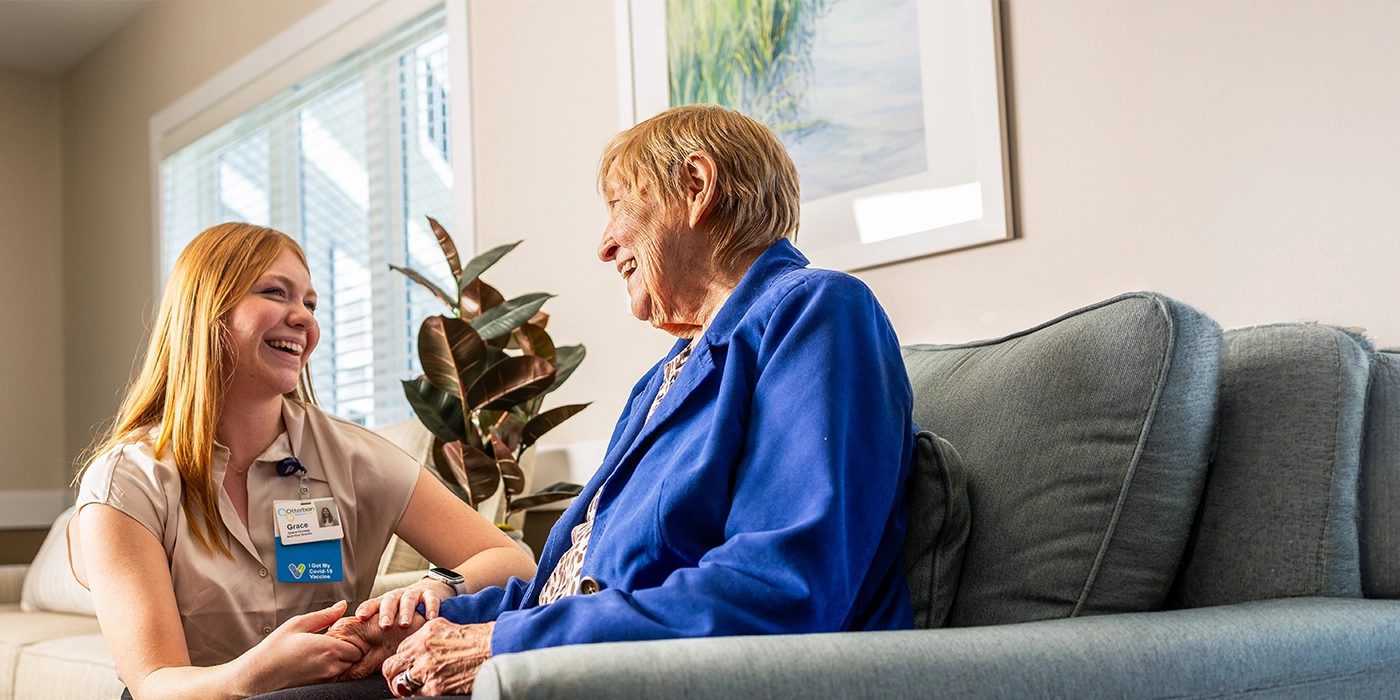
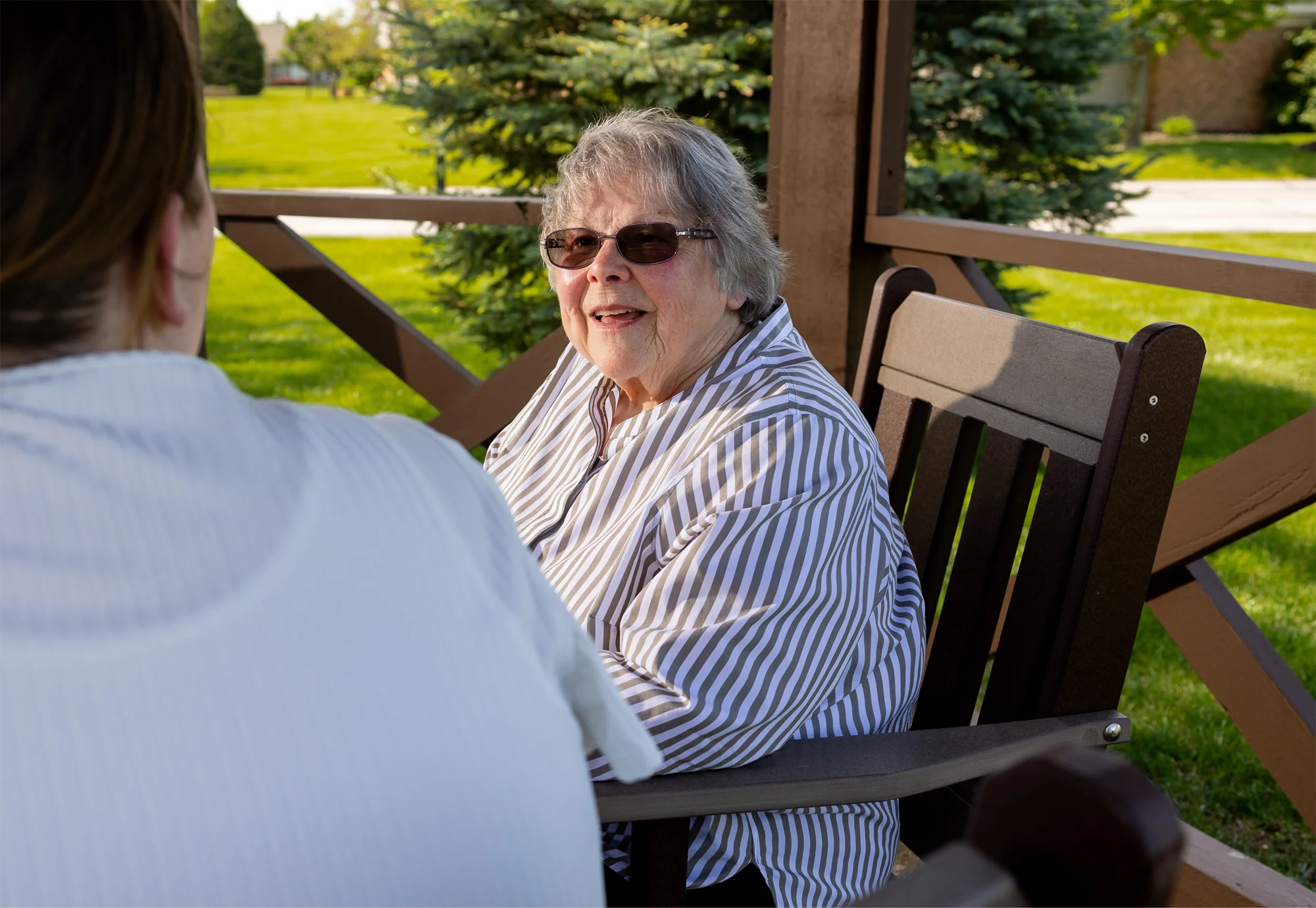
Residents enjoy opportunities to engage in activities, programs, and outings while creating new relationships with neighbors and team members.
Here are three ways older adults can connect and build relationships in a senior living community:
1. Take Advantage of Community Amenities and Common Spaces
Many senior living communities feature a variety of shared spaces where neighbors can gather and naturally connect throughout the day. Common areas like dining rooms, sitting rooms, libraries, salons, and fitness centers provide opportunities for residents to socialize and spend time together without ever leaving the community. In a senior living community, you never have to be alone if you do not want to be because friends, neighbors, and caring team members are often nearby.
With housekeeping, maintenance, and meals taken care of, residents have more freedom to enjoy life on their terms with the people they want to spend it with. Otterbein communities describe senior living as offering convenient amenities, personalized services, and enriching activities to help older adults thrive.
Related Blog: Finding Community in Senior Living as a Solo Ager >>
2. Make Meals a Social Event
Studies suggest that older adults who regularly share meals with friends and family tend to eat more and make healthier choices at mealtimes. The simple act of having a meal with someone provides a social experience and makes mealtime something to look forward to every day.
Whether residents dine in a shared dining venue or enjoy a meal with neighbors at home, mealtime can be an opportunity to catch up with friends, get to know new neighbors, and surround themselves with like-minded people. Otterbein communities also offer dining and culinary events as part of everyday community life, making meals another natural place for connection.
Related Blog: Is Living at Otterbein a Solution to Loneliness? >>
3. Join a Club or Pick Up a New Hobby
A great way to interact with other residents is by joining a club or group within the community. For instance, if you enjoy reading, join a book club. If a book club does not exist in your community, consider starting one as a great way to begin forming friendships with residents who share your interests.
Senior living communities often offer a robust social calendar with plenty of programs for older adults to choose from, including fitness classes, arts and crafts, game nights, educational opportunities, and more. When residents make it a priority to attend the events or activities that interest them, they often begin developing new friendships naturally.
Otterbein regularly offers programs, outings, and shared experiences as part of community life, from everyday programming to larger “Bold Adventures.”
Related Blog: Live Your Best Life: Trips, Bold Adventures, and Outings at Otterbein >>
Start Connecting at Otterbein
At a time in life when it may seem difficult to nurture old relationships and build new friendships, it is important for older adults to seek out opportunities to socialize and connect with others. One of the many benefits of senior living is the abundance of opportunities to connect with others right outside your door.
At Otterbein, we encourage older adults to lead an active, engaged lifestyle in a comfortable environment where they can connect, participate, and build friendships that support overall well-being.