Apartments aren’t just for college students, recent graduates, and young couples — they can be an excellent option for older adults, too!
What Are Senior Apartments?
Senior apartments are exactly what they sound like — apartments located in senior living communities for residents who love their independence, but are ready for a little less responsibility than a patio home. Senior apartments offer less maintenance than homes, a potentially lower cost, and plenty to do.
Most senior apartments are age-restricted, where at least one resident must meet a minimum age, typically 55 or 62. The age threshold creates a community of peers who share similar life stages, schedules, and interests.
“Seniors often choose an independent living apartment because they want to downsize and be done with lawn maintenance and snow removal,” says Anna Gallagher, assistant vice president of marketing & communications at Otterbein SeniorLife. “But once they’ve been living in an apartment for a while, they come to value so much more about the experience.”
Discover the Benefits of Living in a Senior Apartment
So, what are the benefits of living in an apartment in a senior community? Think convenience, social interaction, and cost savings. Here are five reasons why moving to a senior apartment may be a good option for you.
1. Maintenance-Free Senior Living Accommodations
Apartment living can give you time back since you don’t have to tend a yard or do home repairs yourself. That means more time to relax, socialize, and engage in activities that are important to you. In fact, freedom from home maintenance – no more lawn care, no more snow removal, no more chasing down contractors – is one of the main reasons people downsize into a senior community.
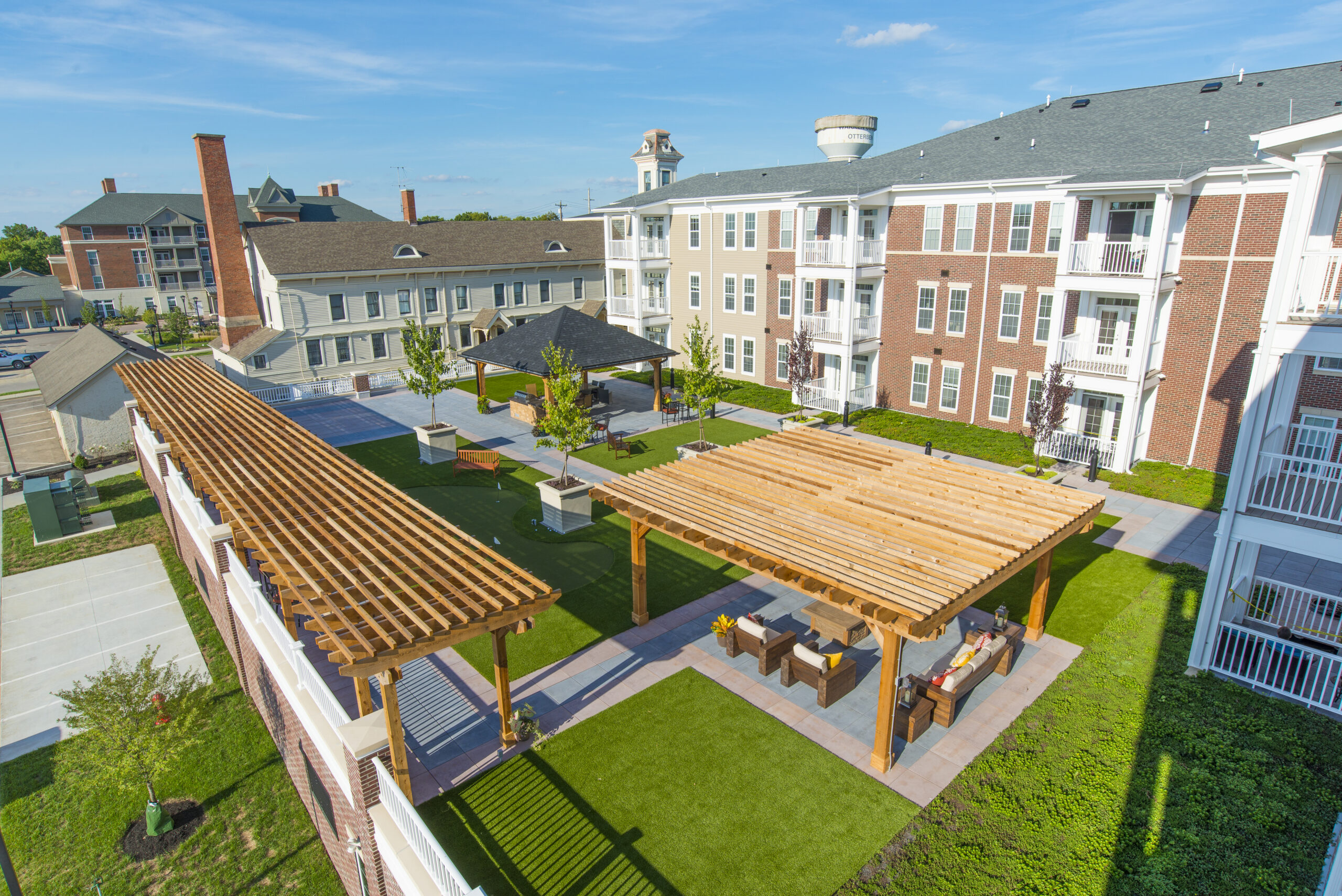
Another time-saver? The convenience of having the community’s amenities so close by — the hair salon, bank, and fitness center are often just a short stroll (or golf cart ride) away.
First-hand perspective: Many residents describe the “aha” moment as the first big snowfall after they move in. Neighbors who once spent the morning shoveling a driveway now watch the snow come down with a cup of coffee in hand while the grounds crew clears the walkways outside. It’s a small thing that changes the whole rhythm of a season.
This Ultimate Guide to Life at Otterbein Can Answer Your Questions >>

2. Convenience of Cooking at Home or Dining at an Onsite Restaurant
When it’s time to eat, you can cook at home or visit an onsite restaurant to enjoy a meal. In many communities, meal plans, utilities, and access to amenities are bundled into the monthly price, sometimes along with scheduled transportation, activity programming, and housekeeping services.
“Our residents love getting together for meals at our campus grill or dining room,” says Gallagher. “They’re wonderful gathering places for residents to enjoy, whether they’re having a meal prepared by our chef or choosing a quick grab-and-go option with friends.”
The beauty of the setup is flexibility. Feel like a home-cooked dinner tonight? Your kitchen is right there. Don’t feel like cooking, or want to celebrate a birthday, a visit from the grandkids, or just a Tuesday? Walk down the hall and let the chef handle it.

3. Find Activities (and New Friends) Galore in Senior Living
Senior living communities offer a full schedule of activities every day of the week. Special events, educational courses, socials, and volunteer opportunities mean you can be as busy as you want all year long.
And with so many neighbors in your apartment building, you’ll likely find people who share your interests. You won’t have to go to that woodworking class or book club alone!
This social component is more than a nice perk – it’s a genuine health benefit. Senior apartment communities are intentionally designed to foster peer connection, and that built-in social network helps combat the isolation and loneliness that can affect older adults living alone. When your neighbors are in a similar life stage, a friendly hello in the hallway can easily turn into a standing lunch date.

4. Accessible, Age-Friendly Spaces
Active adult communities emphasize resident accessibility, both inside your apartment and when you’re out and about. Many apartments have intentional features like grab bars in the bathroom, non-slip surfaces, wider doorways, step-free entries, and easy access to home-delivered meals and wellness services when needed.
In a life plan community, also known as a continuing care retirement community, that accessibility extends beyond the front door. Residents have easy access to wellness resources such as onsite fitness centers, swimming pools, walking trails, and often most importantly, higher levels of care on the same campus if their needs ever change.
Related: You may be aging solo – but you don’t have to do it alone >>
5. Senior Apartments Typically Cost Less Than Owning a Home
Living in an apartment at a life plan community can significantly decrease expenses compared to owning a house.
Download this Free Cost Comparison Guide to See How Much You Could Save >>
If something goes wrong with the thermostat, the key won’t work on the front door lock, or your sink gets backed up, no problem — simply call maintenance and wait for someone to fix it. Some life plan living communities, like several of the locations at Otterbein SeniorLife, offer repairs at no extra cost. And when the time comes to fill out your tax return, you can rest assured that property taxes won’t be part of the equation.
While a senior apartment monthly fee may seem high at first glance, it’s important to remember what it replaces. The monthly fee often bundles rent, utilities, and amenities together. When you tally the true cost of staying in a house, including property taxes, insurance, utilities, repairs, safety upgrades, and eventually in-home care, the bundled community cost at a senior apartment often matches or beats homeownership.
Frequently Asked Questions About Senior Apartments
- Is a life plan community the same as a CCRC? Yes, a life plan community is simply a newer, refreshed name for a continuing care retirement community (CCRC).
- How old do you have to be to live in a senior apartment? Most communities require residents to be at least 55 or 62.
- How much do senior apartments cost? Costs vary widely from one community to another, based on many factors, including floor plan, amenities, services, and location on the campus. Read more about senior living costs here.
- Can my children or grandchildren visit? Absolutely. While children generally can’t live in a senior apartment, they can certainly visit!
A senior apartment gives you the independence you want with less of the responsibility and stress of a home. When a senior apartment is within a life plan community, you get something even more valuable: the freedom to enjoy an active, maintenance-free lifestyle today, with the security of knowing care is right there on campus if you ever need it.
Hear From Otterbein SeniorLife Residents On What They Love Most About Living in a Senior Living Apartment
With so many upsides, it’s no wonder that apartments are often in high demand in senior living communities. In the video below, you’ll hear from a few Otterbein Lebanon residents on what they love about their apartments at Phillippi Hall.
This blog was originally published in 2018. It was updated in 2026.