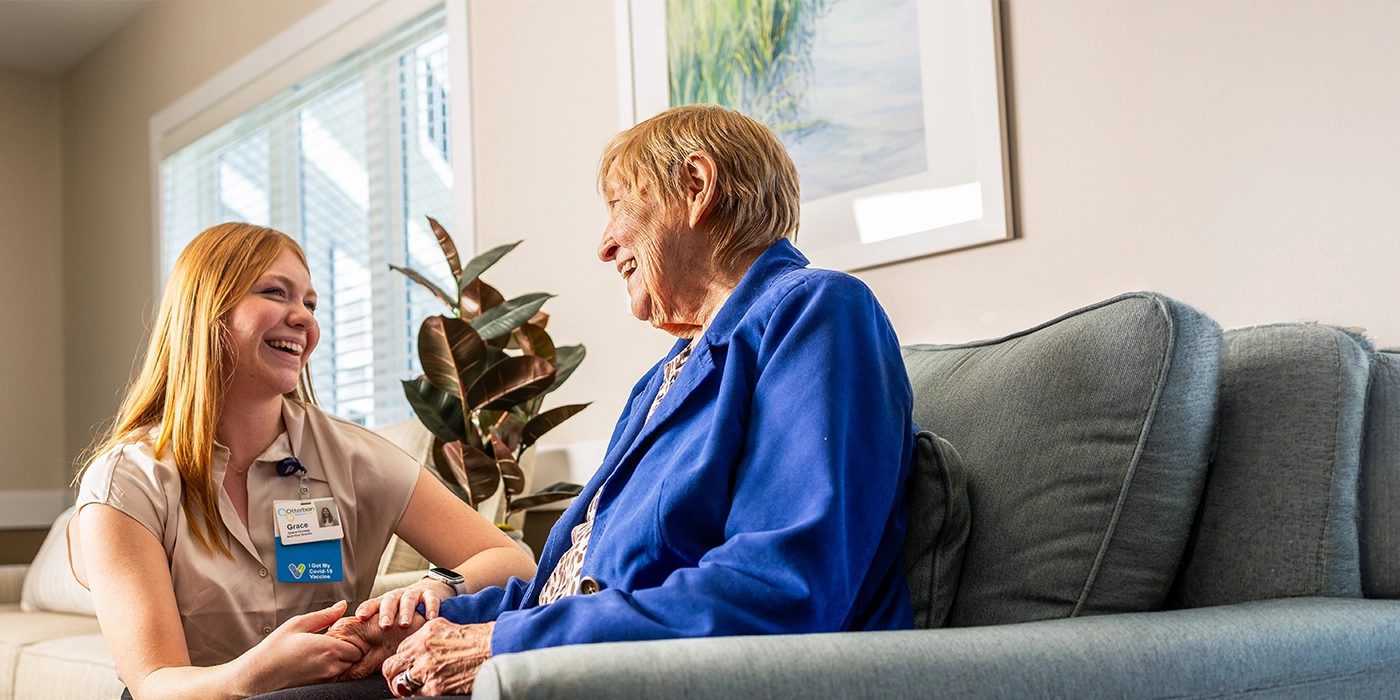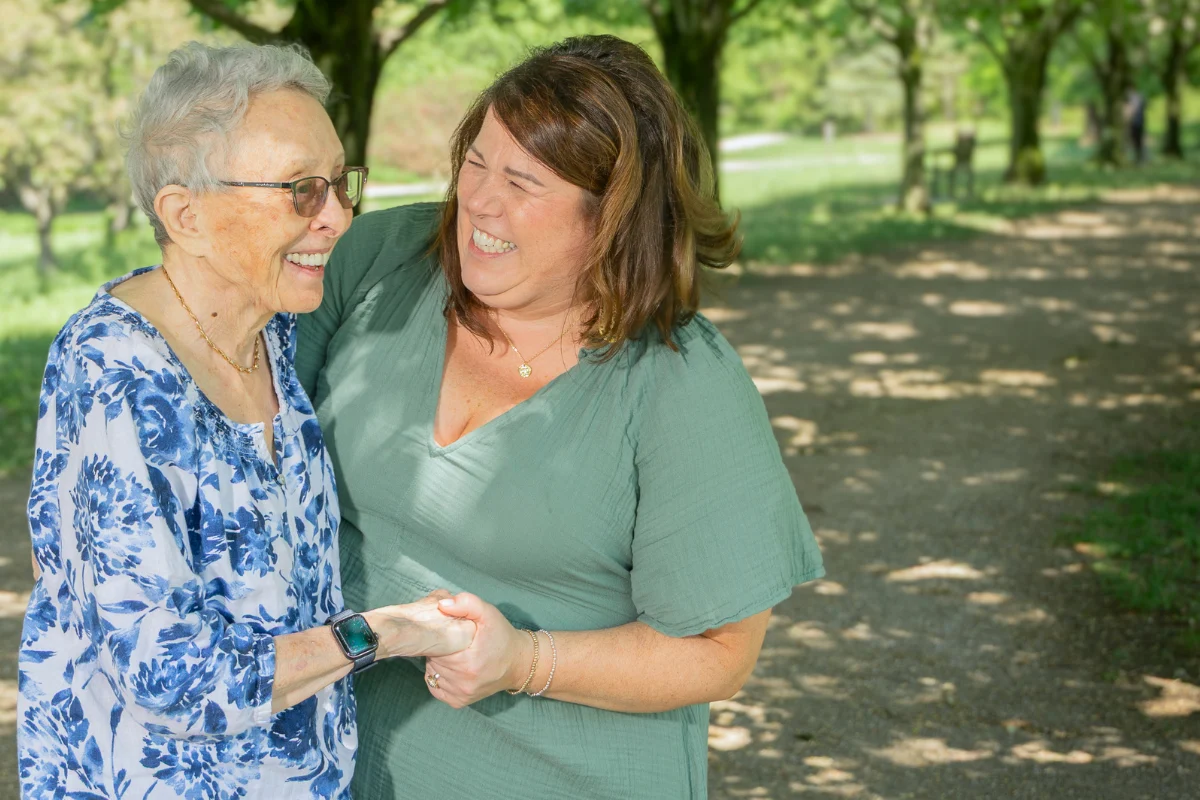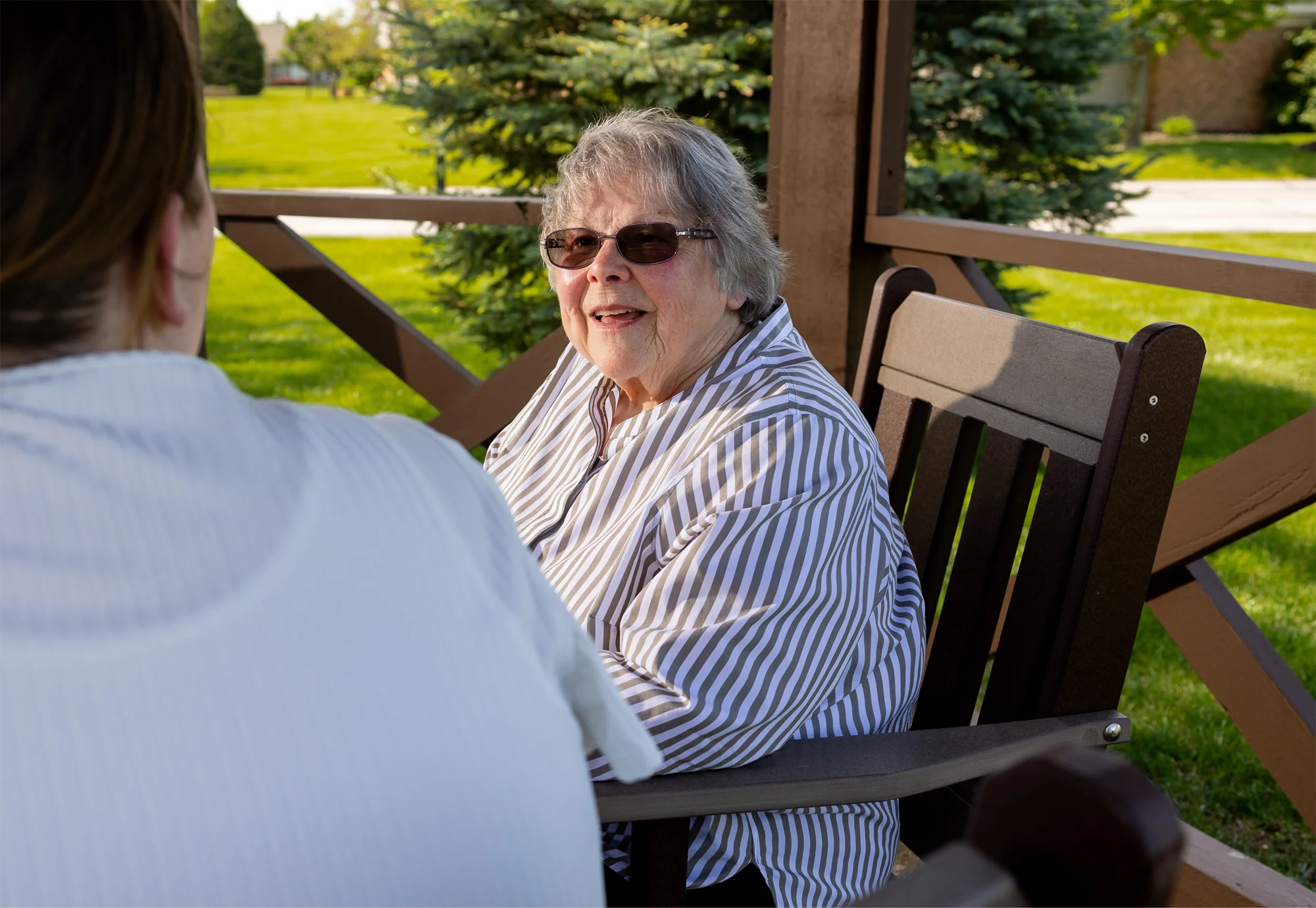
Caring for someone you love is one of the most meaningful things you’ll ever do — and one of the most challenging. Whether you’re a devoted family caregiver feeling the weight of round-the-clock responsibility, or you’re watching a parent or spouse struggle to recover after a hospital stay, it’s natural to feel overwhelmed. You want the very best for your loved one, and at the same time, you may be running on empty yourself.
A short-term stay for your loved one in an assisted living community can make all the difference. Otterbein St. Marys offers respite stays in assisted living for older adults in need of temporary care. Respite residents have access to our campus amenities and services — and enjoy a comfortable stay in one of our private suites.
What Is Assisted Living?
Assisted living is a residential senior living option designed for older adults who need some help with everyday activities — like bathing, dressing, medication management, and meal preparation — but who don’t require the around-the-clock medical care provided in a long-term care setting. Think of it as a supportive environment where your loved one can maintain as much independence as possible, with trained partners (staff) available when needed.
Here’s what you can expect in assisted living at Otterbein St. Marys:
- Private studio suites
- Maintenance-free living
- Assistance with activities of daily living (ADLs)
- Access to all campus amenities
- Three daily, healthful meals
- Medication management
- Social programs and outings
- Transportation services
- Housekeeping and laundry services
- Wellness services
Care is personalized to each individual, meaning residents receive exactly the level of support they need — no more, no less.
Related blog: Read About Irene’s Journey to Assisted Living >>
What Does a Typical Day Look Like in Assisted Living?
A typical day in assisted living is structured to balance personal care, social engagement, and independence. Residents can wake up when they’re ready, with assistance available for morning routines like dressing, hygiene, and medication management.
In between meals, residents can choose from a wide variety of programs, special events, and outings at their leisure. Residents can enjoy the following activities:
- Exercise classes
- Crafts
- Trivia
- Outings to museums, restaurants, and theaters
- Card games
- Live musical performances
- And much more!
Throughout the day, the schedule remains flexible to accommodate individual preferences and care needs. Assistance is also available for evening medications and bedtime preparations.
Watch this video to see firsthand what life is like in assisted living at Otterbein St. Marys >>
Short-Term Stays: A Flexible Option Many Families Don’t Know About
While most people associate assisted living with a long-term move, many communities like Otterbein St. Marys also welcome short-term residents for stays as brief as two to three weeks, with a typical stay lasting about one month. These temporary stays generally fall into two categories: respite care and post-acute recovery support.
What Is Respite Care?
Respite care is temporary relief for a primary family caregiver. If you’re caring for a parent or spouse at home, you know how physically and emotionally demanding that role can be. Respite care gives you the chance to rest, recharge, travel, handle personal responsibilities, or simply take a well-deserved break — all while knowing your loved one is in caring hands.
How Assisted Living Supports Respite Care
A short-term assisted living stay offers far more than just a comfortable place to wait. During a respite stay, your loved one can:
- Receive personalized daily care, including help with bathing, dressing, and medications
- Enjoy nutritious, chef-prepared meals without the burden of cooking
- Participate in social activities and programs, reducing isolation and loneliness
- Experience community life firsthand, which can ease fears about senior living
Here’s something families often discover: after a respite stay, their loved one actually thrives in the community setting. The social engagement, structured routine, and professional support can lead to noticeable improvements in mood and well-being. Many families use a short-term stay as a trial run — a low-pressure way to see if assisted living might be a great long-term fit.
What Is Post-Acute and Rehab Care?
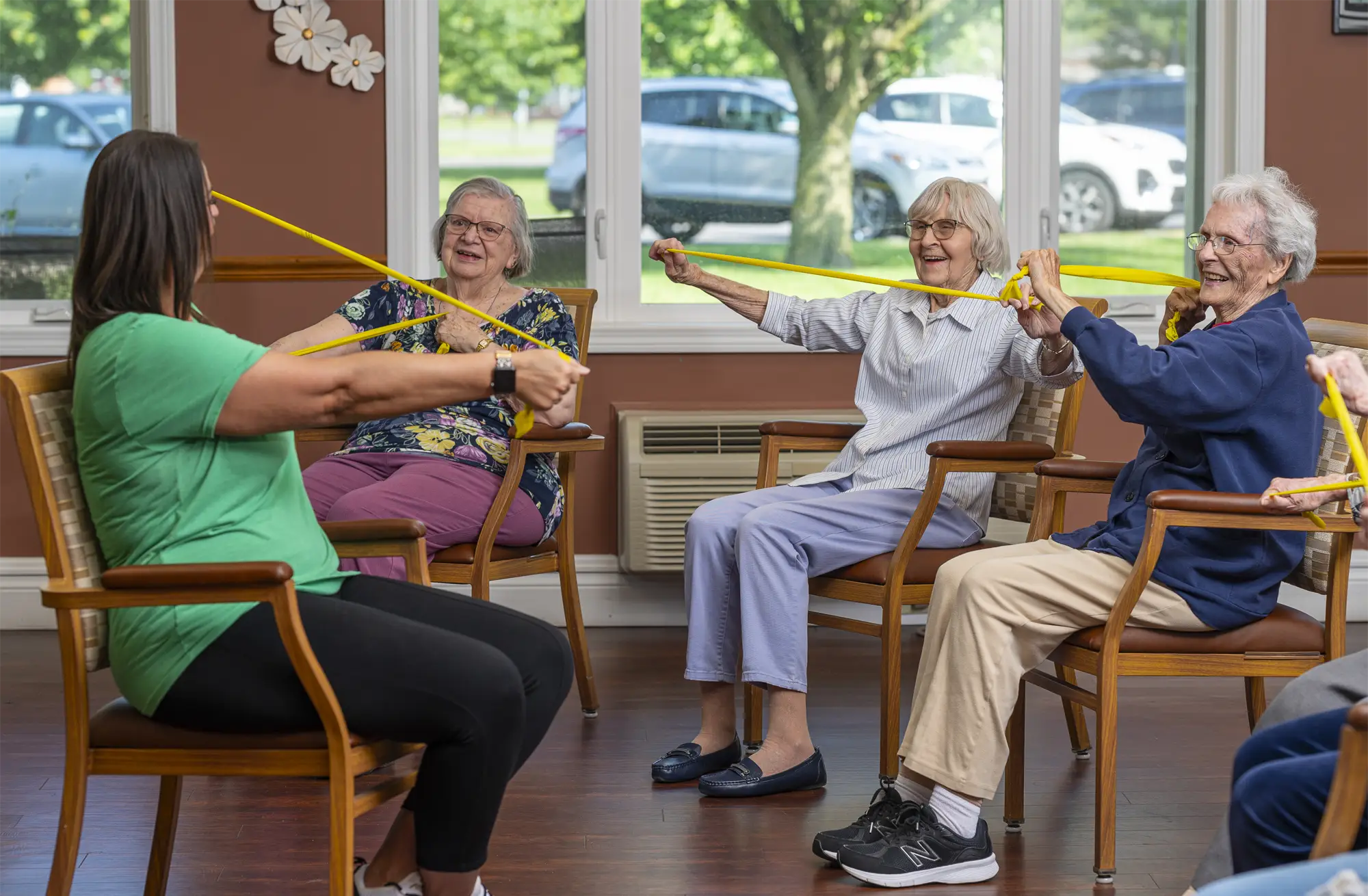
Post-acute and rehab care refers to the medical and therapeutic support a person needs after being discharged from the hospital following an illness, injury, or surgery. The goal is to help individuals regain strength, mobility, and independence so they can return home.
Post-acute services commonly include:
- Physical therapy
- Occupational therapy
- Speech therapy
- Pain management
- Personalized recovery plans
Related blog: Explore Mary’s Transition from Rehab to Independent Living >>
When Medicare Doesn’t Cover a Rehab Stay
Here’s a situation many families face: your loved one is discharged from the hospital and clearly needs support during recovery, but insurance doesn’t approve a Medicare-covered rehab care stay. Perhaps the stay didn’t meet the required criteria, or the approved days have run out. Either way, your loved one isn’t ready to manage at home alone.
This is where assisted living steps in to bridge a critical gap.
How Assisted Living Supports Recovery
A short-term assisted living stay can provide the supportive environment your loved one needs to heal, even without a Medicare-approved rehab placement. While assisted living is not a substitute for intensive rehab care, it offers meaningful recovery support, including:
- Daily assistance with personal care tasks that may be difficult during recovery
- Medication management to ensure prescriptions are taken correctly
- Nutritious meals to support healing
- A fall-prevention-focused environment with staff available around the clock
- Access to rehabilitation services, including physical, occupational, or speech therapists
- Social engagement that supports emotional well-being during a vulnerable time
After a hospitalization, the transition from hospital to home can feel overwhelming. Assisted living provides a comfortable middle ground — a place to recover at a supported pace before returning home.
Taking the First Step at Otterbein St. Marys
If you’re a caregiver running on empty, or if your loved one is facing a recovery without the insurance coverage you expected, know that you have options. A short-term stay in assisted living at Otterbein St. Marys isn’t just a backup plan — it’s a thoughtful, supportive solution that can make a meaningful difference for your loved one and your whole family.
Reach out to us for information about short-term assisted living stay availability, what’s included, and pricing. We’d be happy to organize a personalized tour so you and your loved one can see the campus, meet the team, and ask questions before making any decisions.